
Family Gardens
Edible gardens full of biodiversity, because your food is the most important thing.
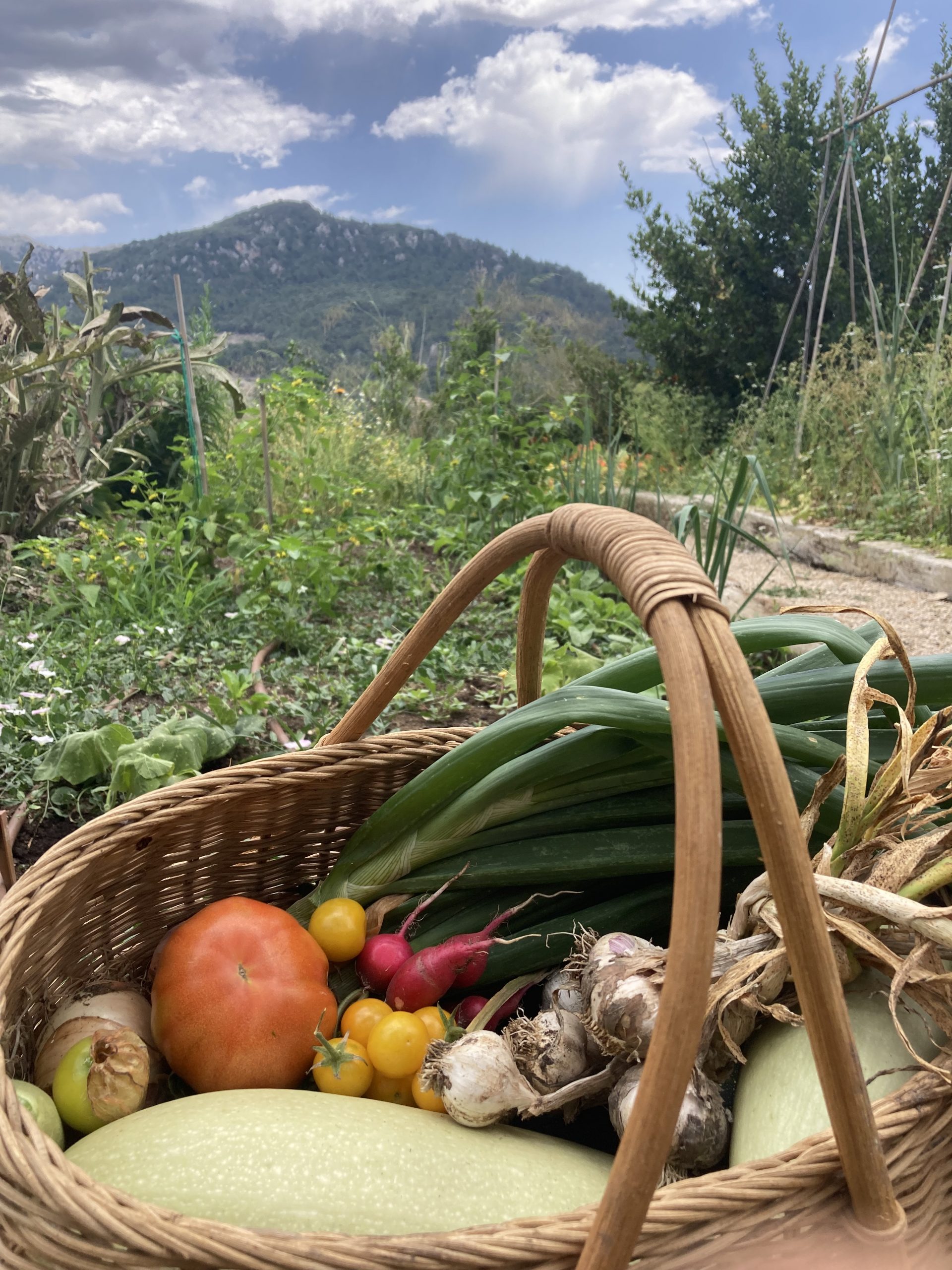
Why do you need an edible garden?
Aesthetics and garden
It combines the beauty of an ornamental garden with the functionality of an orchard. Create an environment where flowers coexist with fresh fruits, herbs and vegetables. Enjoy healthy foods grown by yourself while bringing sustainability and style to your home. Turn your garden into a space where nature and the pleasure of eating well meet.
Biodiversity
An edible garden is much more than a functional space; represents a refuge for biodiversity. It integrates edible and varied plants, ornamental flowers and native species. It encourages the coexistence of a rich variety of animals, fungi and microorganisms. Contributes to the balance of ecosystems.
Microorganisms
Strategically combining plants improves soil fertility. At the same time, the plant cover prevents erosion and conserves humidity, benefiting both the plants and the organisms that inhabit it.
Pollinators
Planting aromatic flowers and herbs attracts bees, butterflies and other essential pollinating insects, which promotes plant reproduction and the production of healthier foods with higher nutritional values.
Ecosystem
Our edible gardens provide shelter for birds, small mammals and reptiles, creating a diverse and dynamic ecosystem. By attracting beneficial insects, such as ladybugs, and insect-eating birds, we reduce the need for chemical pesticides and maintain a natural balance in the ecosystem.
Water
Introduce native plants, which complement each other in space, light and nutrients. Protect the soil by mulching, avoiding solar radiation and maintaining constant humidity. Implementing organic matter and microorganisms favors a more resilient environment.
Feeding
It is scientifically proven (Dr. D. Raigón) that an organic garden generates food with greater nutritional value. Growing our own food not only improves our mood, promotes greater awareness about the importance of what we eat, but also provides us with deeper nutrition.
Collective learning
It encourages teamwork, as it implies shared responsibility. It allows you to develop practical skills with growing, composting and resource management. It teaches to value the daily effort in food production, we generate communication skills by exchanging knowledge, experiences and coordinating tasks.


